The Value of Writing Fan Fiction

The subject of fan fiction can be a controversial one, so I may be making some people mad when I say that fan fiction is valuable and important.

First of all, to clarify for those who might not know, fan fiction is just what it sounds like: stories written by fans of a particular book/TV show/movie. Fanfic stories can range from plots that easily could have fit into the official story, to endings or explanations for unfinished storylines, to alternate universe adventures and wild what-if tales.

Fanfic is written for the fans, by the fans, and is generally not authorized by the original authors or creators of the book series/show/movie. There’s nothing illegal about fan fiction, unless you try to make money off of it or claim it as your own property. Then you get into plagiarism, theft of intellectual property, and related cans of worms.

This post is not about the legal or even moral implications of the fan fiction world, but rather its value as writing and art. All nerdiness and fangirling aside, writing fan fiction has several benefits: Continue reading

How to Write Technobabble

I’m not sure who originally came up with the term “technobabble,” but I first encountered it in reference to Star Trek. Technobabble is a staple of a lot of science fiction: the “babbling” on about fictional science and fictional technology to get characters into and out of their fictional scrapes.

So what makes for good technobabble? It needs to be believable and convincing within the fictional world you’ve created, so here are some ideas:

Use real science

A standard sci-fi technique to fixing a problem. Picard knows what's up.

A standard sci-fi technique to fixing a problem. Picard knows what’s up.

One key element that makes science fiction different from fantasy is the science. Not that every sci-fi story has to be as full of real chemistry and mathematics as, say, The Martian. But science, and along with it, logic and a degree of realism, is part of what makes sci-fi different from magic-based fantasy stories.

Even if your story is set in the far future or in a different universe entirely, learn some basic scientific concepts that will feature in your story. If you’re writing a space adventure with lots of ships traveling around the galaxy, then familiarize yourself with the difference between a red giant star and a quasar. Even if the plot doesn’t hinge on that detail, you’ll likely have readers who do know the difference and might be upset that you have a colony of people living on a planet orbiting a quasar (hint – quasars aren’t stars, to begin with). Continue reading

How to Invent Fantasy Words

This post is similar to one that I wrote a while back for Mythic Scribes. But I wanted to write another post with some tips for inventing words and names for fantasy, and next week I’m planning to do a similar post about how to write technobabble for sci-fi.

So here are some of my tips for creating convincing words for your fantasy stories:

Use a real language as your base.

J.K. Rowling is famous for using Latin and Latin-esque-sounding words. How about the spells of “lumos” and “nox” to create light or make it dark? “Lumi” is Latin for “light,” so “lumos” isn’t much of a stretch; and “nox” means “night.”

Especially if your fantasy world is inspired by or reflective of a real culture, then go ahead and use the language for inspiration. In The Lord of the Rings, Tolkien based the people of Rohan on ancient Viking culture. Many of the words used were either Old Norse words, or based on that language. Continue reading

5 Fictional Characters I’d Invite to a Summer Picnic

This week’s post is sort of silly, and inspired by Chronically Vintage’s post featuring some helpful blog post ideas. Since I was stuck for an idea this week, I’ll roll with this idea. This list could potentially go on waaaaaay past five, so for my readers’ sanity, I’ll keep it just to five.

Thorn – from the Bone graphic novel series by Jeff Smith. She’s the fun-loving country girl who discovers that she’s the crown princess, and saves her land from the Rat Creatures and the evil Hooded One. Of course, if I invited Thorn, I’d have to invite her guardian Gran’ma Ben, and her best friend Fone Bone, so now I’m up to three people invited to this picnic already… Continue reading

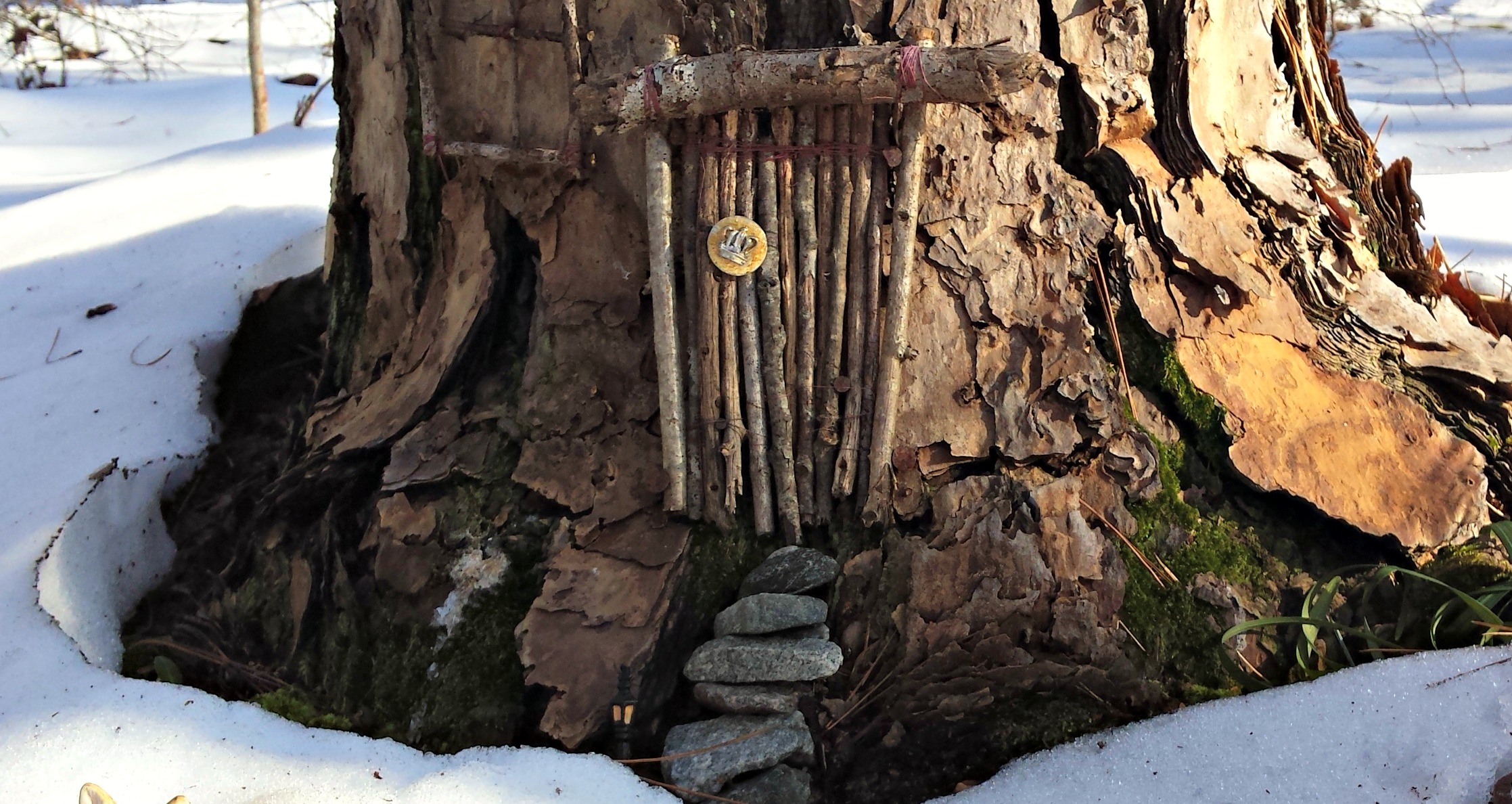
Fairy Garden in the Making

For those who don’t know, I have a fairy garden out in my back yard. It’s been a project a couple of years in the making. I initially went into inspired by various pictures on Pinterest, but otherwise not really doing any research or planning ahead.

I’ve had a few people ask me lately about my fairy garden. So consider this post a sort-of DIY about making your own backyard fairy garden. (If you want truly good instructions to make an elaborate fairy garden or even village, there’s much better information all over Pinterest and the interwebs in general). But for those who are interested, here’s what I did:

I started with some twigs from the yard, which I lashed together with carpet thread to make a door (with a button for the door knob). I nailed it to the base of a tree, and some gravel gathered from my driveway made the front walk.

Continue reading