A Traveler’s Moment of Reflection

Sometimes it’s the little things that grab your attention.

There are the famous museums and the great monuments. Every city, town, and country road has its own uniqueness, its glamor both great and small. Sometimes those small bits of glamor capture your senses, and come to define a place in your mind long after you have left. When I went to Iceland I found such a moment – not in the vast verdant wilderness of the country, but behind a gas station in the middle of the city.

I passed by this gas station every evening on my way back to where I was staying. Behind the gas station and convenience store was a little garden. Beyond that, a walking trail led around a lake (or perhaps an inlet of the bay.) I never explored the extent of the trail, or even the depths of the garden, because I only ever came to this place in darkness or at sunset.

The statue of the boy in the garden was a dark silhouette against the sunset. I couldn’t read the Icelandic plaque, even if there had been enough light. I wondered how many lives passed through this garden every day – jogging on the trail along the water’s edge, or enjoying a snack from the gas station. I wondered whose life had inspired the statue.

Here, at this serene spot of glamor in the middle of a city, I found a sight that captured my mind. I had many wonderful experiences in Iceland, and I look forward to going there again for more. But this little stone boy at sunset will always be Iceland to me.

~Oct5 171

Found Words – Names and Places

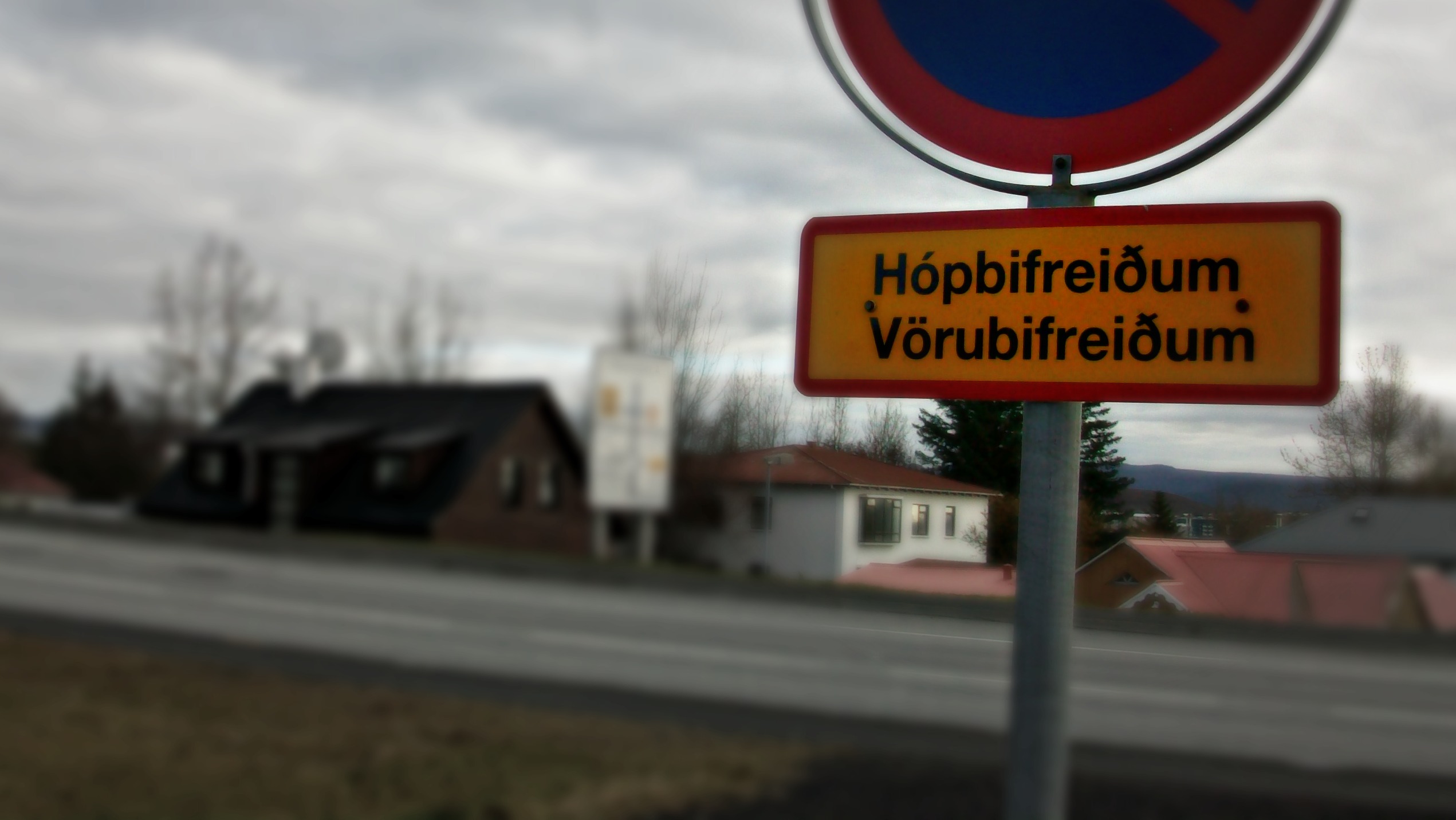
I like words. Words are everywhere. We may ignore them – their placement, their meaning. We ignore their very presence. But every word that is placed somewhere, that is found, has a purpose and a meaning.

Everyone and every thing has a name. And every name a meaning.

014_


We see this as art and we admire it. But do we appreciate the words? Do we find these words in our lives?

101_


Subtle words, easy to miss.

100_


Every place has its words, unique and waiting.

084_


Where have you found words?

The Case for Predictability in Fantasy Plots

New, different, unexpected – these are the things we all want in a story, right? After all, if the story is too predictable, too much like all the others we’ve read, then why bother with it? While this is very true – both readers and writers are always looking for the unique element – I believe there is room for some degree of predictability.

First off, there is the conventions of the genre. This can be very broad, but I believe it’s the most important form of predictability. Readers pick up certain genres because they enjoy the conventions of that type of story. A reader of classic sword and sorcery will not be pleased to find space ships and vampires half way through the novel. Pick your genre/sub-genre, learn your genre, and gain an understanding of what some of the most common or popular elements are. The fantasy/paranormal sub-genre of vampire romance involves – you guessed it – vampires and romance. If your story is lacking these key elements, then it’s not a vampire romance.

Another “predictable” element in most fantasy genres is the hero (or heroine). The hero is usually the main character, although there can be main characters who would not be classified as the hero. I won’t go into great detail about archetypal hero elements and classic storytelling techniques, and it’s certainly not a requirement to follow an archetypal path. But I would argue that most readers of fantasy genres (even dark fantasy) expect to see a heroic character or at least a heroic element in stories. The uplifting, the overcoming of all odds, the growth of the main character – all of these should be found to one degree or another in most any kind of story, but especially anything in the fantasy realm.

Another important element is good versus evil. This is more than a protagonist versus an antagonist. A “force of good” versus a “force of evil” – whether embodied by individuals, creatures, societies, or something else – is expected in most fantasy genres. Most readers of fantasy expect at least a few battles, and an idea of a good guy versus a bad guy. Conflict drives plot and character development in any story, and all of the fantasy genres provide rich fodder for conflict on every scale.

These are very loose guidelines, as they should be. Every genre – especially fantasy – should be open to the author’s creativity. But just remember that with all the unexpected elements, don’t neglect the expected.

The Nitty-Gritty of Writing: The Basics of Dialogue

There are many aspects of writing good dialogue, and I’m probably not qualified to write about most of them, as I’m still working on mastering the dialogue art myself. So that is why I’ve titled this post as “the basics.” If you are just getting started with writing your first work of fiction, or you struggle in other ways with conversations between characters, hopefully these points can help guide you in the right direction.

Proper use of quotations. In reading manuscripts (either critiquing for friends, or back in my writing classes in college), I learned that a lot of people don’t understand how to use quotation marks at all. (I recently wrote a punctuation post, and I briefly cover quotation marks.) As a general rule, all spoken dialogue should begin and end with double quotes. Other punctuation, like commas and periods, go inside the end quotes. If a character’s spoken sentence is split up with a dialogue tag, the tag and other descriptions do not go inside the quotes. Example: “I don’t know,” she said, shaking her head. “Maybe we could do it tomorrow?”

Dialogue tags. Many writers (myself included) like those fancy words like sneered, cried, shouted, whispered, etc. Or, worse yet, the offensive adverb: he said loudly, happily, sadly, sternly, sleepily, etc. I may be going against the advice given by professional writers and editors, but I believe that the occasional fancy word or adverb with your dialogue is not a mortal sin. Just keep it to a minimum, and make your selections wisely. Dialogue tags can be filled out with showing action instead of telling, like in my example above. …she said, shaking her head instead of she said glumly paints a fuller picture of what’s happening in the scene. Don’t be afraid of the simple word said.

Read aloud. I don’t do this one as often as I should, but when I do, I usually find a phrase or exchange of dialogue that just doesn’t flow. Reading your dialogue aloud is a great way to quickly find out if what you’ve written sounds real. Would you hear an exchange like that out on the street? Does anyone actually talk like that? Yes, you want to keep the voice of your character – the alien might have awkward English, the mathematics professor uses big words that no one else understands, the fairy speaks telepathically, whatever. But reading aloud can help you even in cases like that to really hear your characters speaking, and thus help you make each character’s voice realistic and unique.

There are other points I could add to this, but three is enough to get you started if you’re struggling with writing dialogue. What are some other tips or tricks that you’ve used to improve your dialogue?