When the Movie is Better than the Book

As a novel writer, I always feel a bit guilty when I like the film version of something better than the book. I feel like a traitor to my craft, almost, for daring to like a reimagining better than the sacred literary original.

But then I remember that movies are a valid storytelling medium – just like short stories, poetry, stage plays, and comic books. Even though my main focus right now is novel writing, I am first and foremost a lover of stories. And sometimes, the movie version really tells a better story than the book.

Take for example The Wizard of Oz. I grew up watching the movie every time it came on network TV (as did everyone in my generation and older, probably). I was overjoyed when VCRs became commonplace (remember those?) and The Wizard of Oz was released on video tape.

I can quote basically the whole movie, I know all the songs, I’ve tried dancing like the Scarecrow (not as easy as it looks), and I’d still like to have a pet flying monkey or maybe a Horse of a Different Color. I’m also a big fan of some of the “prequel” stories – the Disney movie Oz the Great and Powerful, and the musical Wicked. But up until now, I’d never read the original book that started it all.

When I started reading Baum’s first Oz book, The Wonderful Wizard of Oz, I knew that my perceptions of the story would be colored by the 1939 movie and everything that came from that (see the aforementioned Oz and Wicked). But I set my expectations aside and purposefully selected an ebook version of the original 1900 edition that had all of the original illustrations, so that I wouldn’t be seeing Judy Garland on every other page.

Sticklers for the “original book version” of a story likely disapprove of The Wizard of Oz movie, because it was nothing like the book. A few glaring differences (besides the obvious lack of song and dance routines in the book) would be:

  • The gentle Tin Man is devoted to Dorothy and his friends, but lacking a heart, he is thoughtlessly violent and slaughters great numbers of creatures of all sorts if they even appear to be hindering Dorothy’s quest. (Rather ghastly for a children’s book, in my mind).
  • The Wicked Witch of the West is a feeble old crone who is terrified of both Dorothy and the Lion. She is also not green (reducing Margaret Hamilton’s character back to only Elmira Gulch, and negating about half of the songs in Wicked).
  • On that note, Miss Gulch is not in the book, nor are the loveable farmhands or Professor Marvel. Dorothy does not dream of going to Oz – she really does get sucked up in a cyclone, along with the house. Poor Uncle Henry and Auntie Em – childless and homeless all in one day!
  • The shoes are silver, not ruby. The Good Witch of the North sends Dorothy on her way, while Glinda (the Good Witch of the South) doesn’t appear until the very end.

Before I continue, please note that I am not complaining or giving a negative review of the book. My intention here is to illustrate the dramatic differences between this book and the movie sensation it spawned, and why I think the movie told a better story.

From a storytelling perspective, the script writers for the film told a more cohesive, believable story. Here are a few writing techniques that I think the film achieved better than the book:

  • Cutting or combining minor characters – such as using the single character of Glinda to perform the acts done by both of the Good Witches in the book.
  • Dorothy’s desire to return home was very believable in the film, due to the amount of time spent on developing the world of the Kansas farm and the people in her life. In the book, Dorothy dislikes Kansas and seems to show little fondness for her aunt and uncle. While it’s understandable that she would want to return to the familiar, her intense desire to leave Oz just as soon as she arrives seems forced.
  • A clear antagonist. In the film, Dorothy’s enemy Elmira Gulch becomes her enemy in Oz. The Wicked Witch of the West makes repeated appearances and actively tries to interfere with their quest. Her main goal as an antagonist is to get the shoes that Glinda gave to Dorothy. In the book, the Wicked Witch doesn’t appear until near the end; and while she does capture Dorothy and tries to get her to take off the shoes, the entire Dorothy-is-captured-and-her-friends-rescue-her sequence is very anti-climactic in the book.
  • The use of plot devices. The shoes belonging to the late Wicked Witch of the East are a much bigger deal in the film than in the book, and to a much better effect, I feel. Glinda gives them to Dorothy with the instructions to never let the Witch of the West have them, because the shoes are talismans of great magic. The shoes become one of the major features of the plot. In the book, the Witch of the North (that extra character who is not Glinda) basically tosses the shoes Dorothy’s way with a remark to the effect of “well, she’s dead so you can have them if you want.” (Paraphrasing here. This is not verbatim what Baum wrote).
  • Also, the Wicked Witch of the West’s iconic broom is not in the book. (This would mean no dramatic “Surrender, Dorothy” skywriting in the movie, and no “Defying Gravity” song in the Wicked musical.) But that aside, the broom becomes a plot point much like the shoes. It not only represents evil magic (as the shoes represent good magic), but it serves as the token by which Dorothy and company prove their worth to the Wizard. After the melting of the Wicked Witch in the book, they return to the Emerald City with a “by the way, she’s dead, and you’ll just have to take our word for it.” (Paraphrasing here again.) In the film, the broomstick is a tangible indicator that the protagonists are worthy of not only being the main characters, but actually being the heroes, too.

Again, I am not trying to say anything bad about the original. Baum wrote a book that at the time was unlike anything seen before, and he created a rich fantasy world. The Wonderful Wizard of Oz was an instant success, and Baum wrote many other Oz books because of it. This strange little story – grisly, anti-climactic, and full of modern storytelling no-no’s – grew into an important part of our culture, and the world of Oz has endured for over 100 years.

I have nothing but respect and appreciation for what Baum wrote. But I am also grateful to everyone at MGM in the 1930s for pulling the best elements out of this book and turning it into not only a visual and musical spectacle, but a stronger and more memorable story. So in this case, I am not ashamed to say that the movie was better than the book. May we all aspire to have our stories get better with the re-telling.
My Name in Music

I saw this meme on Facebook the other day that asked you to use your name as an acrostic, spelling out your favorite bands or singers with each letter of your name. So, since I’m low on blog ideas this week, here are five of my favorite singers/bands/musicians, one for each letter of my name. (My first name only. I could do my middle and last names, but then we’d be here all day).

G – Gjallarhorn (Finnish and Swedish folk-rock)

R – The Rankin Family (Canadian family singing Celtic and folk music)

A – Angelit (Sami singers from Lapland, Finland)

C – Christopher Franke (composer, well-known for composing the epic score to the TV show Babylon 5)

E – Eivør Pálsdóttir (Faroese singer, specializing in multiple styles of music and songs in multiple languages)

Feel free to leave a comment with your name and your favorite bands!

If you like soundtracks, then give a listen to these tracks by the instrumentalist on my list:

Fantasy Characters as Role Models

Finding role models in fiction is not a new concept (or even a new idea for a blog post, probably). But I’ve been thinking and reading lately about characters, how to write them, and what they can mean to readers. So here’s a short list of some of my favorite characters from fantasy and science fiction, and what they can teach us about how to live and how to behave.

Sam Gamgee from The Lord of the Rings Loyalty

Let’s start with everyone’s favorite Hobbit sidekick. Except he’s more than just a sidekick. He’s more than a gardener, a bodyguard, or even a good friend. He’s a man so loyal to his friend and to his own word that he faces off against orcs, a giant spider, and a raging volcano just because he told Gandalf that he’d protect Frodo. His word is his bond, no matter what.

Hermione Granger from the Harry Potter series – Courage 

Hermione can be described in many ways: smart, clever, nerdy, loyal. But really, none of these traits would enable her to accomplish half of what she does if she weren’t exceptionally courageous. Courage isn’t the absence of fear – it’s feeling the fear and doing what you need to do anyway. From the first book on, Hermione bravely steps out to help save the day, never letting fear of Voldemort – or worse, expulsion from Hogwarts – stop her from doing what she knows is right.

John Sheridan from Babylon 5 – Justice

Captain Sheridan is the perfect leader for the Babylon 5 space station – he’s brave, smart, and a true warrior. All of this stems from his fierce sense of justice. When faced with the tough decisions of life, the ones with no clear-cut right or wrong, he uses his sense of justice and fairness to temper his decisions. He lives by the understanding that every decision – good or bad – comes with consequences. Whether others label him as a hero or a villain, he stays true to his principles of justice and personal responsibility.

Fezzik from The Princess Bride – Honesty

Fezzik the gentle giant is kind, patient, and maybe a little slow, but he’s the most honest character in the story. While he never directly rebels against Vizzini, his honesty prevents him from carrying out his malicious orders to kill Westley. He’s intensely loyal to his friend Inigo, and once he determines that Buttercup and Westley are the good guys, he never stops supporting them because he believes in rightness and honesty.

Princess Anna from Frozen – Compassion

Anna is brave, eternally optimistic, and loves her sister dearly. But really, her greatest role model-worthy trait is compassion. Her love for Elsa is more than just a sister bond. Despite her shock and confusion when Elsa reveals her powers, Anna immediately understands how Elsa must be feeling. Her ability to empathize with Elsa’s fear and loneliness is what drives her to literally freeze to death for her sister’s sake.

The Scarecrow from The Wizard of Oz – Wisdom

The Scarecrow is the smart one without any brains, but he’s also very wise, which is a different sort of intelligence. Wisdom such as knowing when to take charge – which he does for most of the story – and when to let someone else lead (by telling the Lion that he’s the one to lead them into the Wicked Witch’s castle, or by submitting to Glinda’s authority at the end of the movie). Wisdom tells him to trust this strange girl and her little dog. The intelligence of knowing the Pythagorean theorem is less important in life than making wise decisions.

The Addams Family – Love

From the movies to the classic TV show to the original cartoons by Charles Addams, Gomez and Morticia Addams have represented the ultimate in passion and romance. But there’s more to love than romance. Love means sticking together no matter what storm is raging, or standing up for a loved one who might be acting very unlovable. This family may have dead flowers as the centerpiece and a loose hand that runs around the house, but they have love. No outside force or inner turmoil pits Gomez and Morticia against each other, or draws their children away. Even Uncle Fester’s poor decisions can’t make the others turn their backs on him. Any family that wants to stay strong should put as much of an emphasis on love as the Addams do.

Yes, I know that this is a really short list. I could have listed several hundred characters, and made this post longer than the epic fantasy trilogy I’m working on, so I had to pare it down somehow. If you have a favorite fantasy character that has positive role model traits, feel free to share in the comments!

Music Review: “Just the Two of Us,” Secret Garden

After nearly 20 years of composing and performing, the Norwegian-Irish New Age group Secret Garden is going back to the basics, as it were. Secret Garden’s latest album is titled Just the Two of Us, and features Rolf Løvland on the piano and Fionnuala Sherry on the violin.

Even though Rolf and Fionnuala have performed with other musicians, singers, and orchestras for all of their other albums, a duo of piano and violin was always at the heart of their music. For their ninth album, they created a simpler, more intimate experience for their listeners.

Every melody on this album is a delicate resculpting of tunes that would be familiar to long-time Secret Garden fans: “Awakening,” “Song from a Secret Garden,” and “Papillon” are some of my favorites on this album. Two new pieces are featured for the first time here: “En Passant” and the title track “Just the Two of Us.”

There aren’t any of Secret Garden’s upbeat Celtic jigs or songs with full choirs on this album. This easily could have been called “Ode to Simplicity,” as one of the tracks on the album suggests. I feel that Rolf and Fionnuala achieved what they set out to do – create new life while revisiting the past.

If you’re looking for a soothing instrumental album, full of variety but without any jarring musical surprises to interrupt relaxation or enjoyment, then I would highly recommend Just the Two of Us.

Secret Garden’s website

“Song from a Secret Garden”

Story Prompts

Some people ask me how I come up with ideas for my stories. The answer is: I don’t. the ideas come to me, frequently when I’m not expecting it or looking for an idea.

I know that some writers struggle a bit more with the initial idea for a story. And even the most abundantly creative person can hit a dry spell (which has happened to me before). Some people just want to try their hand at something new – a new idea, a new genre, a new style of writing.

Enter the story prompt. A picture, a word, a phrase – all of these can prompt an idea. My intent with this post is to give a boost to a fellow writer, to get you over that hump if your creative juices have run dry. A story prompt can also be very useful if you’re new at writing, if you want to tell a story but you don’t know what to write about or where to begin.

A note: most of these story prompts have a fantasy slant, because that what I write. A prompt, though, is just that – the seed of an idea, intended to prompt you to think on it and develop it. A picture of a dragon does not have to prompt a fantasy tale, just as a picture of a happy modern couple in a sports car does not have to prompt a contemporary romance.

Here are some ideas:

The famous artist who says that his pet dragon actually does the art

A lonely basilisk

A boy and his best friend, a cloud

Demons swim in all the sacred places

It was two days before Christmas when the spaceships landed outside of town.

As the choke of midnight comes, the trees grow and the darkness begins to cry.

In that silent future after the world has ended, a child is born.

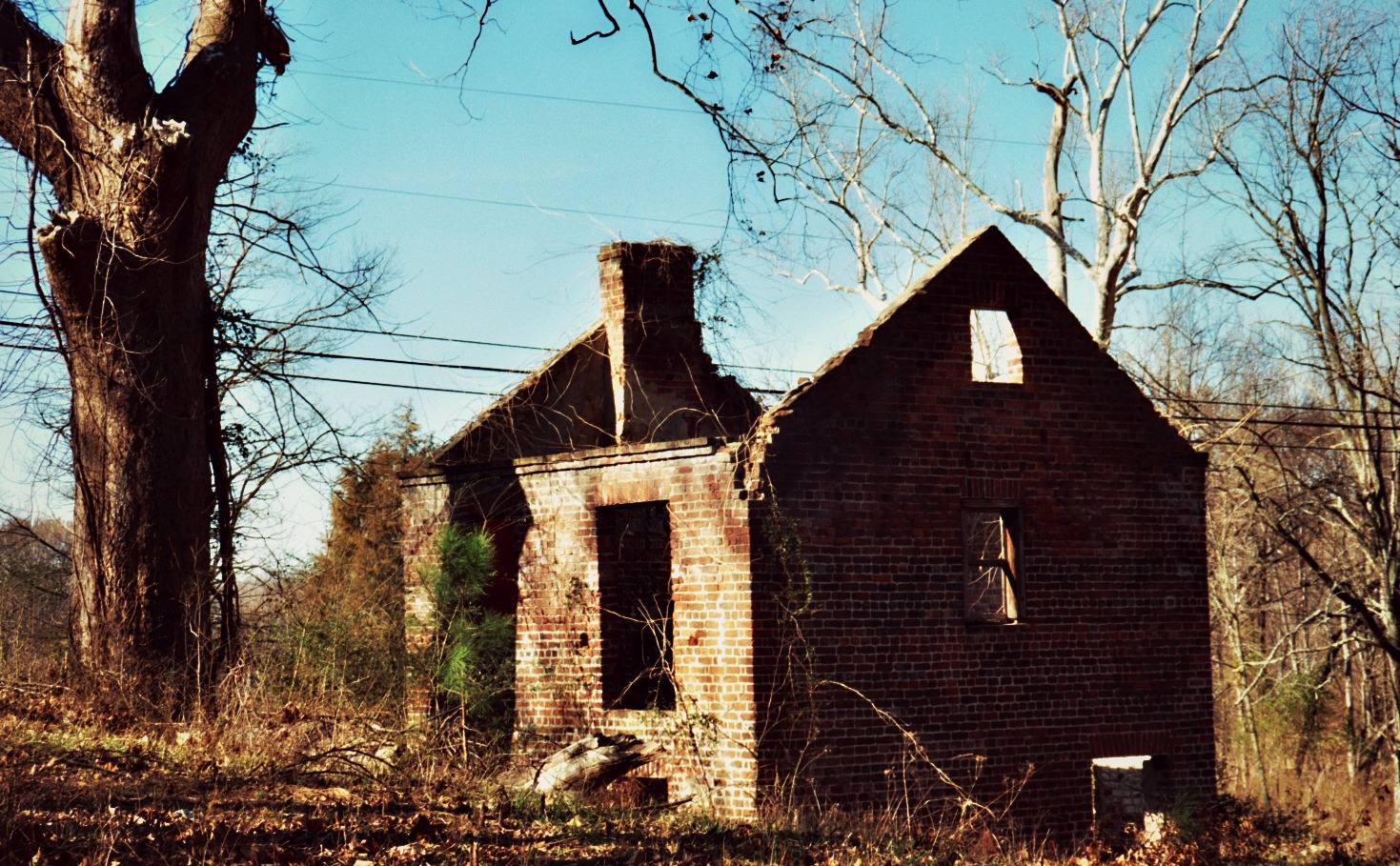
Where is this place? What happened here?

Where is this place? What happened here?

Now go write!