Research Tips for Your Story Writing

So we all know about doing research for a non-fiction book, or for any sort of accurate historical fiction tale, right? But what about other types of storytelling? Basically, anything besides memoir/autobiography or fiction-loosely-based-on-your-personal-experiences requires research. Yes, even the highly fictional genres like science fiction and fantasy. 

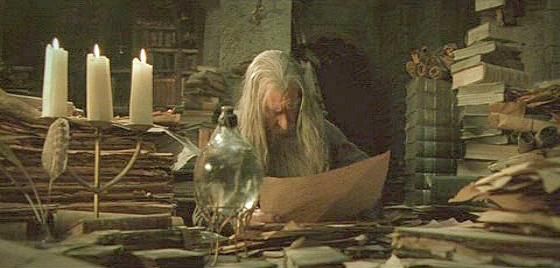
How writers often feel doing research

Why Research? 

Details matter when it comes to worldbuilding for a story. The more little details that are woven throughout a tale (spread throughout the story, not info-dumped all at once), the more real the world of the story will feel to your readers. 

Details like food, clothing, buildings, climate, entertainment—all of these things exist in our lives and we use and are affected by them everyday. In a believable story (yes, even sci-fi/fantasy), the same should be true of your characters. 

Continue reading

How to Wish Writers a Happy New Year 

It’s that time of the year again, when everything is a clean slate. It’s the time when we think about the past, plan for the future, and hopefully don’t get the side-eye from our neighbors for still having our Christmas decorations up in January. 

It’s still cool to greet people with “Happy New Year!”, for a couple of more weeks, at least. Goals and resolutions are often a topic of conversation right now. And even though some people have given up on their New Year’s resolutions by January 2nd, others are sticking with it. If you are a writer, or you know someone who’s a writer, goals and resolutions might be a potentially sticky subject, however. So how can you give a genuine “Happy New Year!” to the writers in your life? Here are some suggestions: 

Continue reading

The Journey of a Book

I wrote a post a few months ago about part of my growth and journey as a writer, and how part of that process was letting a book project sit for over a decade. Over ten years ago, I was inspired by the Finnish folktale epic The Kalevala, my favorite fantasy stories, and all things Scandinavian, and I began building an elaborate fantasy world. The result was a long, wandering epic fantasy tale that I completely pants (that is, I “wrote by the seat of my pants,” also known as “being a pantser.” Normally I am a plotter – I like my outlines.) 

The finished 200,000 word story needed some polishing, and I produced two highly-revised drafts. I also got inspired to make a trilogy, and started writing the second book. Then life happened, other ideas happened, and I started feeling a bit burnt out by my Finnish mythology-inspired fantasy world. 

Continue reading

What is Creative Writing?

What is creative writing? Writing creatively, you might say. Or, creative writing is the opposite of writing factual stuff, like an instruction manual or a textbook. Well, yes, but what does this mean? 

I’m teaching a creative writing class this semester at my local homeschooling co-op. For fifty minutes once a week, I’m teaching 11-15 year-olds the basics of storytelling. I started off the class with my own interpretation of what “creativity” and “creative writing” mean. Below is a version of what I gave to them as handouts at the beginning of class. Hopefully it will get them thinking about what it means to be creative and to tell stories. 

What is Creativity? 

Creativity is a way of thinking about or reacting to a situation or a concept that is new or different from what’s been done before. Creativity is “thinking outside the box.” 

Creativity involves using our imagination. With imagination and creativity, we can make our thoughts become real, we can turn one thing into something completely different, we can make something from nothing. Every human achievement throughout history (from the controlling of fire and the invention of the wheel, all the way to inventing smart phones and the International Space Station) is because of human creativity. 

Continue reading