So I Just Published a Book…

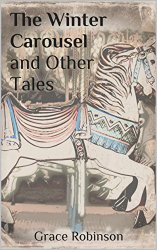
Not much in the way of wit or writing tips this week. Just an announcement that I published my first book! 

I know, there was no fanfare or promotion leading up to it. I actually wanted to keep it low-key, because I did it partly just to figure out how the self-publishing process works on Amazon. You can read a hundred blog posts about it, but until you actually do it, it’s still theory. The uploading and book prep process through Amazon is relatively painless – except for the bit about their Kindle conversion program not liking tab indents in Word. Gotta figure out how to fix that for my next book.

But anyway, here it is – my first official publication, a self-published short story collection. Pop on over to Amazon, if you’d like, and give it a read!

Beginning at the End

I may offend or confuse some of you pantsers out there, but I’m really becoming a firm believer in knowing the end of your story before you finish. Most any writer who outlines at all probably has at least a vague idea of how the story is going to end – otherwise, what’s the point of the outline?

If you’re a die-hard pantser (one who writes “by the seat of your pants” and never knows what the next scene of your story is going to be about), then keep doing what you’re doing if it’s working for you. And if you’re a hybrid plotter/pantser and it’s working for you, keep that up, too.

I’m not actually trying to change anyone’s mind or writing method in this post – or even give instructions, really. I’ve just made some observations recently about my own writing method, so I thought I’d share. Continue reading

The Value of Writing Fan Fiction

The subject of fan fiction can be a controversial one, so I may be making some people mad when I say that fan fiction is valuable and important.

First of all, to clarify for those who might not know, fan fiction is just what it sounds like: stories written by fans of a particular book/TV show/movie. Fanfic stories can range from plots that easily could have fit into the official story, to endings or explanations for unfinished storylines, to alternate universe adventures and wild what-if tales.

Fanfic is written for the fans, by the fans, and is generally not authorized by the original authors or creators of the book series/show/movie. There’s nothing illegal about fan fiction, unless you try to make money off of it or claim it as your own property. Then you get into plagiarism, theft of intellectual property, and related cans of worms.

This post is not about the legal or even moral implications of the fan fiction world, but rather its value as writing and art. All nerdiness and fangirling aside, writing fan fiction has several benefits: Continue reading

A Glossary of Writerly Jargon

If you’re new (or even not so new) to the world of writing, you may have discovered that us writerly folks have our own jargon. Even if you’re not a writer, if you’re an avid reader you’ve probably associated with enough writers (and/or literary critics) to have heard some odd terms being tossed about. So I thought I’d help you out with this small starter list of writerly words and abbreviations. This is by no means a comprehensive glossary – I’ve just tried to pick some of the most common or weird-sounding terms.

WIP

This stands for Work in Progress. A short story in its first draft or a novel in its third draft is a WIP if it’s unpublished and the author is still working on it.

MC

MC stands for Main Character. There are a lot of other terms to define character types (like protagonist, anti-hero) and one of these may or may not be the main character. But if you’re reading about a writer or a book and you see “MC,” it just means Main Character. Continue reading

Five Questions to Help You Create a Fictional Culture

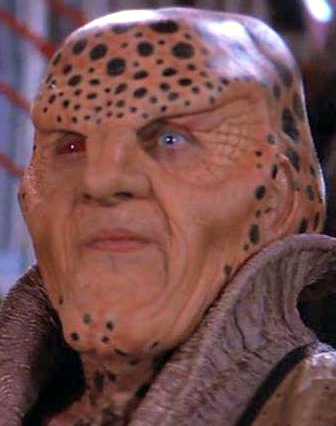
If you’re a fantasy or sci-fi writer, then you’ve probably tried your hand at creating fantastic creatures and aliens of all sorts. But inventing convincing aliens or fairy-tale creatures involves more than just coming up with cool looks or inhuman superpowers. If all you need for your story is just a scary monster or creepy creature, that’s fine – but if you want an actual alien race or people-group for a fantasy world, then you need more than just the basics of creature traits.

Here are five questions that you can ask yourself as you’re inventing people, cultures, races, and creatures for your fantasy/sci-fi stories. Continue reading