Research Tips for Your Story Writing

So we all know about doing research for a non-fiction book, or for any sort of accurate historical fiction tale, right? But what about other types of storytelling? Basically, anything besides memoir/autobiography or fiction-loosely-based-on-your-personal-experiences requires research. Yes, even the highly fictional genres like science fiction and fantasy. 

How writers often feel doing research

Why Research? 

Details matter when it comes to worldbuilding for a story. The more little details that are woven throughout a tale (spread throughout the story, not info-dumped all at once), the more real the world of the story will feel to your readers. 

Details like food, clothing, buildings, climate, entertainment—all of these things exist in our lives and we use and are affected by them everyday. In a believable story (yes, even sci-fi/fantasy), the same should be true of your characters. 

Continue reading

Why I Decided to Become a Writer

While I may not be making full-time living from my writing (yet), I’ve always known that writing was something I wanted to do. I knew, even as a kid (okay, maybe as an older teen) that getting published and writing as a full-time job wasn’t as easy as just spinning a few great yarns. A few years into actually being self-published, I realize it’s even harder than I’d thought—but it’s still worth it, and still something I plan to pursue for the rest of my life.

I have always had many varied interests in addition to writing, and so picking one thing to do as a “career” seemed kind of confining. For many years after I graduated college and had various jobs that didn’t relate at all to my English degree, I seriously contemplated a life and career path(s) other than that of writer. Right now my “job” is a vintage re-sale business, via Etsy and other venues.

So why did I pick “writer” anyway and decide to pursue that instead of some other viable career that might actually be somewhat stable and make me money?

Continue reading

New Science Fiction just Published!

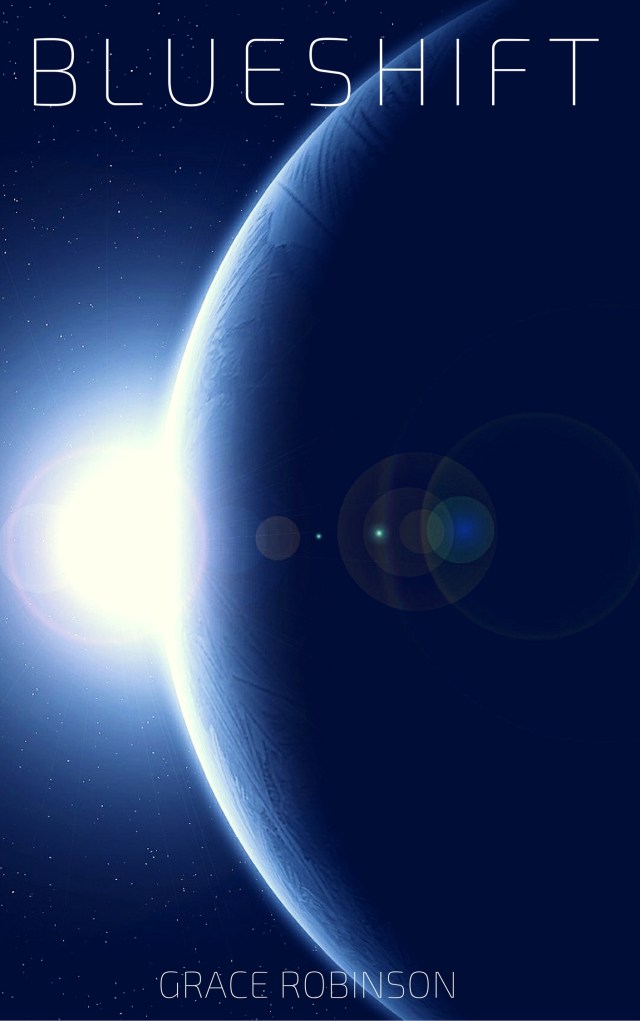
So it took a wee bit longer than I’d planned, but I finally have another book out! This is my second book published ever, and it’s longer than my first one (a small collection of fantasy short stories).

This one is science fiction. There are no aliens or space battles in this tale (sorry, if that’s your thing), but there’s plenty of nerdy science, tension, and action.

Here’s the blurb and the cover. It’s for sale on Amazon (other platforms to come soon). Check it out!

Alone.

On a space station designed for millions, First Lieutenant Elín Hallsdóttir is alone, with only her memories and the other four members of the shut-down crew.

The station orbits the planet, turning from darkness to light to darkness again. Solar storms are growing, the station is dying, but life continues on. Or does it?

Elín’s past rides with her, and with every rotation of the station her future seems more uncertain. And then the unthinkable happens.

Can Elín say goodbye to her past before it’s too late for her and her companions to have a future?


5 Things Star Trek has Taught Me about Writing

While I could write about this subject at most any time, I thought it would be appropriate now, while we’re still celebrating the 50 year anniversary of Star Trek. I’ve posted many times about the writing tips and techniques that I’ve learned from the sci-fi show Babylon 5, but since Star Trek was my first science fiction love, I thought it was high time I give it its due.

So here are five things, in no particular order, that Star Trek (mostly TNG, but really, all the series) has taught me about writing and storytelling:

The importance of supporting characters

Everybody loves the heroes of the story, but supporting and minor characters help round out the world. Whether your story has an ensemble main cast (like Star Trek) or just one main protagonist, you need other characters to serve specific roles and to provide more opportunities for interaction and character growth for your main characters. With a longer work (like a novel, a series of novels, or a TV show), you have the opportunity to expand on the minor characters that come and go, and turn some of them into recurring characters. Continue reading

Strong Women of Sci-Fi – Lyta Alexander from Babylon 5

This week I’m going to highlight one more strong female character from science fiction – and I have to discuss my favorite sci-fi show ever, Babylon 5. For anyone who’s watched Babylon 5, you would probably agree that the two main female leads – Susan Ivanova and Delenn – are strong women. But as much as I’d agree with you, and as much as I’d like to discuss either of those characters, I’m going to talk about the character of Lyta.

Lyta Alexander from Babylon 5

Lyta is a telepath, and she initially serves as the diplomatic aide to the enigmatic Ambassador Kosh of the Vorlon Empire. Throughout the story of Babylon 5, the Vorlons – at first allies, then enemies, but always mysterious – alter Lyta’s telepathic abilities. She becomes stronger than average telepaths, and by the end of the series she reveals that the Vorlons had intended to use her as a doomsday weapon in their war against the Shadows.

I believe that Lyta is a strong character, but unlike Delenn or even Ivanova, she has a negative character arc. At the beginning of the story she starts out “good,” as it were – she’s a good person, she wants to do the right thing, she readily sides with the Army of Light. But through both circumstances and her own poor decisions, her character arc descends from the positive to the negative. By the end, she is hated and feared by her friends, and she herself has become belligerent, distrustful, and a terrorist. Continue reading