10 Quotes from Science-Fiction and Fantasy

We can learn a lot from fantasy and sci-fi. Sometimes we need to hear a truth come from the mouth of the Other, or to see our situations mirrored in a fantasy world. So here are ten of my favorite quotes about life from fantasy and sci-fi books, TV shows, and movies.

Some journeys take us far from home. Some adventures lead us to our destiny.The Lion, The Witch, and the Wardrobe

A heart is not judged by how much you love, but by how much you are loved by others. – The Wizard, The Wizard of Oz

Words are, in my not-so humble opinion, our most inexhaustible source of magic. – Dumbledore, Harry Potter and the Deathly Hallows

Equality is the nullifier of individuality… Equality is the despot destroyer of self-worth. In a world of sameness, there can be no heroes. – The Watcher, “Earth X #3,” Marvel Comics

Who’s the more foolish? The fool, or the fool who follows him? – Obi-Wan Kenobi, Star Wars: A New Hope

Faithless is he that says farewell when the road darkens. – Gimli, The Fellowship of the Ring

‘Impossible’ is a word that humans use far too often. – Seven of Nine, “Hope and Fear,” Star Trek: Voyager

You doubt your value. Don’t run from who you are. – Aslan, The Voyage of the Dawn Treader

We all have a destiny. Sometimes we do not see it, because we have been taught to believe that we are not important. – Delenn, “Comes the Inquisitor,” Babylon 5

Suppose we have only dreamed, or made up, all those things – trees and grass and sun and moon and stars and Aslan himself. Suppose we have. Then all I can say is that, in that case, the made-up things seem a good deal more important than the real ones. … I’m on Aslan’s side even if there isn’t any Aslan to lead it. I’m going to live as like a Narnian as I can even if there isn’t any Narnia. – Puddleglum, The Silver Chair

What is one of your favorite sci-fi or fantasy quotes about real life? Please share!

Found Words – Names and Places

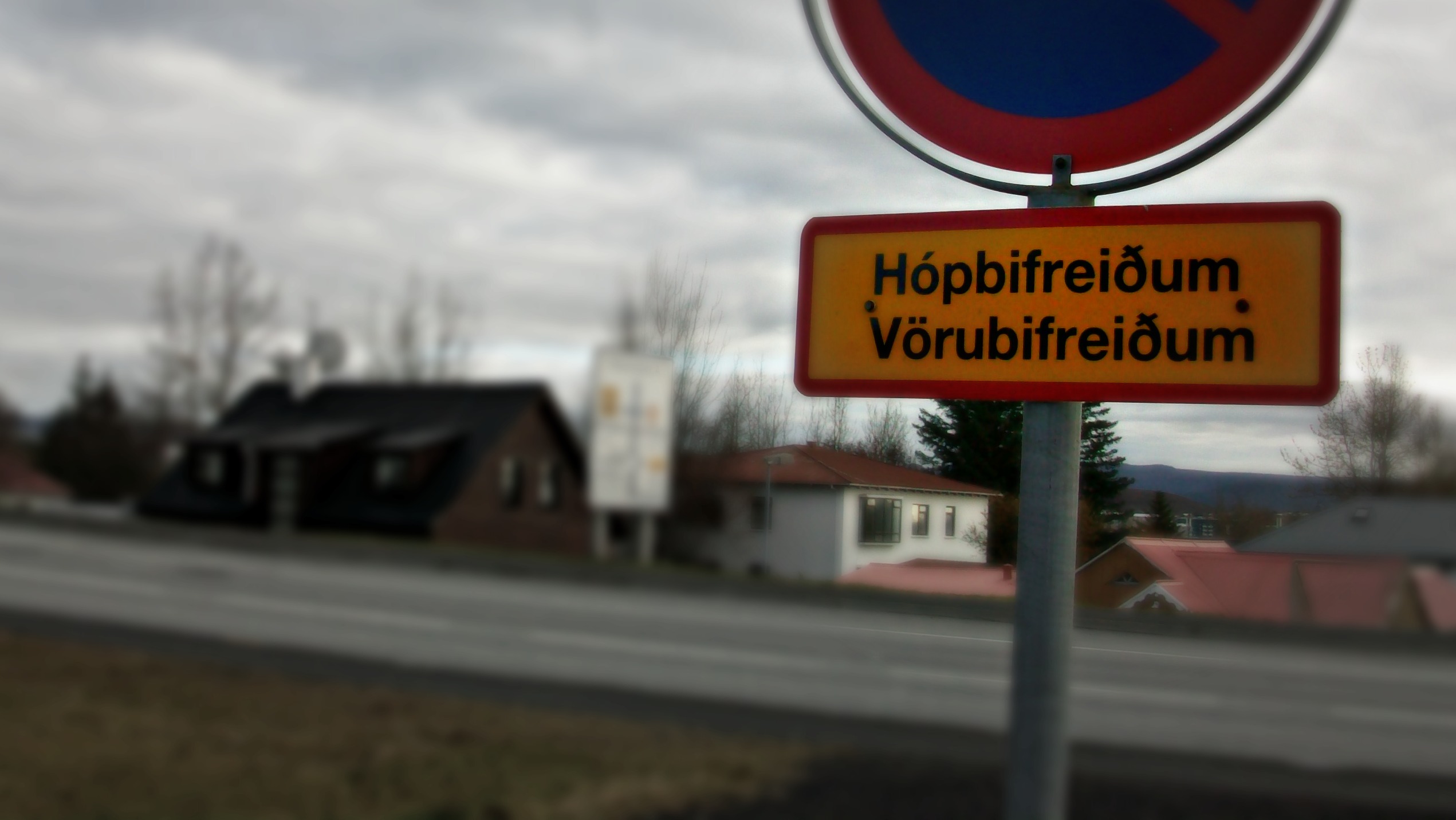
I like words. Words are everywhere. We may ignore them – their placement, their meaning. We ignore their very presence. But every word that is placed somewhere, that is found, has a purpose and a meaning.

Everyone and every thing has a name. And every name a meaning.

014_


We see this as art and we admire it. But do we appreciate the words? Do we find these words in our lives?

101_


Subtle words, easy to miss.

100_


Every place has its words, unique and waiting.

084_


Where have you found words?

Music Review: “Váibmosat,” Eva Jeanette

Eva Jeanette’s album Váibmosat debuted in 2012. Eva Jeanette is a Sami from Karasjok, Norway, and she sings in her native Sami tongue. Váibmosat (Til Ditt Hjerte in Norwegian) roughly translates to “To Your Heart” in English, and it is a collection of songs of praise.

Eva Jeanette is a Christian Sami singer. Most of the songs on this album are slow and prayerful – hymns of meditation rather than upbeat “praise and worship” songs that are common in the Christian music genre. Her voice is strong and clear – perfect for carrying songs with a solo voice.

Unlike many Sami singers, Eva Jeanette features very little of the joik, the traditional Sami style of chanting/singing, on this album. Instead she opts for more familiar Norwegian hymns, but sung in the Sami language. “Mu Váibmu Vádjol Doppe” – or “Mitt Hjerte Alltid Vanker” – is a well-known Norwegian song. I had heard that song in both Norwegian and Sami before hearing Eva Jeanette’s version, which I very much enjoyed – a slow, rhythmic song with a long instrumental segment at the end.

The song “Visot Buvttán Jesus Ovdii” I have heard in English as “I Surrender All,” a popular worship song at many a church or gathering. It was the only song besides “Mu Váibmu Vádjol Doppe” that I recognized, but I didn’t choose this album because I wanted something familiar.

I wanted to discover new music, new talent, and a beautiful new sound, and that’s exactly what I found in Eva Jeanette’s songs. Whether you’re looking for modern Christian music for an international audience, or you’re looking for new Scandinavian or Sami music, “Váibmosat” is definitely worth a listen.

Eva Jeanette’s Facebook page

Ovtta Almmála Báikki Mun Dieðán

What every Fantasy Writer can learn from Star Wars

I’m a few days late, but I thought I’d do a Star Wars-themed post in honor of May 4th (as in, May the Fourth be with you). Whether you’re a big-time fan of the series, or it’s just not your cup of tea, I believe that all writers of fantasy should watch and learn from Star Wars.

Yes, I said fantasy writers, not sci-fi writers. Of course, sci-fi writers can learn storytelling tips from Star Wars, but the Star Wars saga actually fits into the overall fantasy genre more than science fiction. So if you’ve never bothered much with Star Wars because you’re a sword-and-sorcery writer, then perhaps this can help you.

(Side note here – I’m drawing most of my examples from the original trilogy of movies. I’m not here to argue the pros or cons of the prequels, the books, the cartoon, or the video games. Please save your Jar-Jar Binks fan mail for a different post).

Star Wars is what I would call space opera or space fantasy. It’s an epic fantasy tale set in outer space with technology and aliens, instead of a setting of kingdoms, magical talismans, and monsters. The story would work just as well set on one planet, with all the magical trappings of standard fantasy. Here are some key elements of Star Wars that I believe any fantasy (or sci-fi) writer can use in their own work:

Archetypal characters and the hero’s journey. George Lucas followed the format of the hero’s journey, as laid out by Joseph Campbell and Christopher Vogler. This does not necessarily make the story “better” than anyone else’s plot, but the key stages of this storytelling format are common in folktales and classic fantasy alike. Character archetypes of the hero (Luke Skywalker), the guardian (Obi-Wan Kenobi), the skeptic (Han Solo), and so on can drive many fantasy tales.

It’s okay to use traditional fantasy terms. We all want our stories and the worlds we create to be totally original, and many of us like to invent our own terms or even languages. This is a good – and expected – element of fantasy: Sith, Jedi, Dagobah, Wookie. But Star Wars also shamelessly uses “classic” fantasy terms that we’re all familiar with: Light, Dark, Knight, Lord. Using these terms helps the audience to understand a plot point or a character’s role without having to devote a lot of time to explanations.

Redemptive story and happy ending. This is certainly not a requirement for fantasy – even the non-dark “high” fantasy genre. And many readers aren’t satisfied with a tidy “and they all lived happily ever after.” But most of the main characters should grow, overcome, and be victorious in at least some way. And everyone loves a good “redemption from evil” story – another staple of fantasy. Darth Vader’s rejection of the Dark Side of the Force, the destruction of the second Death Star, Han and Leia becoming a couple – despite all the pain and loss throughout the saga, things end on a high note.

Magic or technology that is unexplained yet consistently accepted. This is one of the elements that makes Star Wars more predominantly fantasy rather than science fiction. The futuristic, high-tech world is there, but there is little explanation given from a scientific or technical side. Yes, any good geek has read the tech manuals for the Death Star and knows all the specs of X-Wings versus Y-Wings – but none of those details are part of the story itself. Within the world of Star Wars, everyone knows that Jedi Knights carry lightsabers. No one wonders about how a lightsaber works, nor do they care. Like a magic sword in a high fantasy tale, the how’s and why’s behind the magic are (usually) of minimal importance. The point is that everyone knows the sword is magic.

Good versus Evil. Yes, the old good versus evil thing is the plot of most stories, fantasy and otherwise. And often – in any genre – good and evil are not absolutes. But a well-defined “bad guy” or “force of evil” is what drives a lot of good fantasy tales. In Star Wars, there’s never any doubt as to who the enemy is: the enemy is the Dark Side of the Force. Characters come and go and switch sides, but the Darkness is always there and is always the enemy.

So now go grab some popcorn and cue up Netflix or your old DVDs, enjoy Luke and R2-D2 and the gang, and then go write some fantasy!

Music to Write By – A Winter Playlist

I enjoy the dark cold days of January and February. Often the pace of life seems to slow as the sun goes down, leaving longer hours of meditative quiet. But the days don’t have to be dark or depressing, especially with music to lift the soul and brighten the mind.

Like a first snow, story ideas come dancing towards me during the dark winter days

In winter, I dream of frozen forests, snowy tundras, and far-off places

What are some songs on your winter playlist?