Writing Is…Seeing the Details

Writers are observers. We need to observe life in all its grand scope and small detail—places, things, people, events, words, emotions.

A couple of weeks ago, I moved from one state to another one—literally across the country. Since everything about my new home is new, I’m in major observation mode right now. There are so many details that may or may not ever make it into a story. But whether a certain detail actually makes it into a book or not isn’t really the point. Every detail observed and pondered is another wrinkle on the brain, another thought or sound or smell added to the richness of experience.

Details like the dirt road I drive on every day that leads up to the house where I’m staying. I’m learning the spots along the road where the rain has eroded the dirt into a washboard surface, and the spot that looks smooth but the dirt makes the car fishtail ever so slightly whether the road is wet or dry.

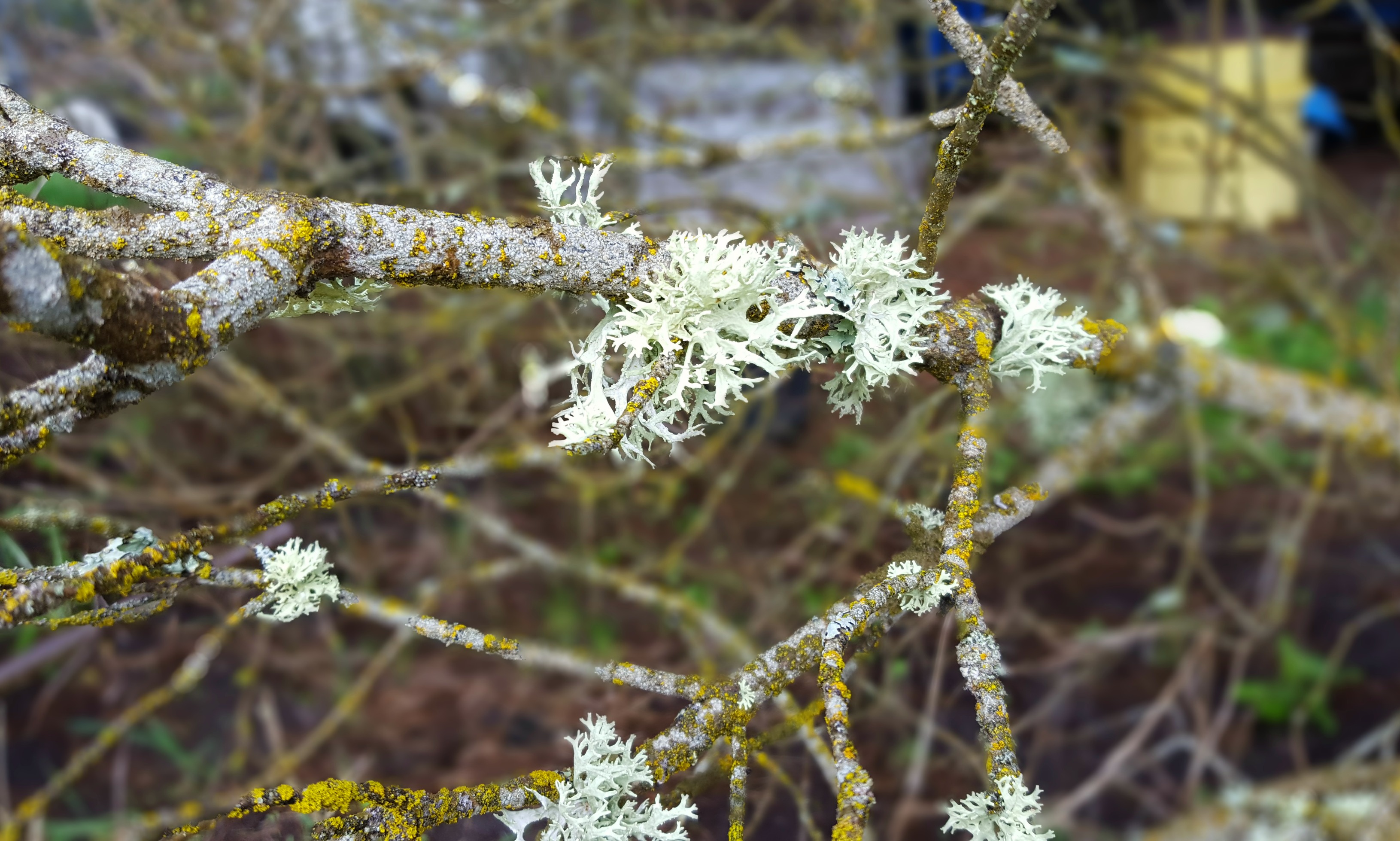
Details like the lichen that grows in abundance on the trees. So many different kinds and colors:

Continue reading

What to Do When you Can’t Write

Lately I’ve had trouble writing. It’s not that I’m out of ideas or have hit writer’s block. It’s also not that I don’t have time to write – I have the same amount of time I’ve always had. But sometimes life just does things, and often it feels like everything happens at once. For example, I’m getting ready to move to another state, my car has been in the shop and needs to go back to the shop again, and I’ve been struggling with some health challenges.

I’m not trying to complain or air all my dirty laundry here, but because of these factors, my brain has not been letting me write the way I want to. The expected stress of packing and dealing with car repairs, along with the distraction caused by ongoing pain, has drained away all my creative energy.

So what do you do when you can’t write? I wrote a post some time ago about ideas to help you get past writer’s block, and here are some more thoughts about what to do when you can’t write: Continue reading

How to be a Good Critique Partner

Over the past several years, I’ve been very blessed to be a part of some very good critique groups. Even though writing itself is a solitary endeavor, I believe that associating with other writers – whether it’s with critique partners, a creative writing class, or a big writers conference – is vital to any writer’s growth.critique

So what are the benefits of joining a writing critique group? How do you know if your critique partners will be helpful or useful? How can you make sure that you yourself will be a good critique partner?

Details Matter

Critiquing a fellow writer’s work involves much more than just saying “I liked it.” It’s also much more than line editing, where you call out every unnecessary comma and misspelled word. Every critique group has their own set of rules and expectations, but usually groups are made up of writers submitting a first or maybe second draft, and looking for overall feedback. Does the story flow? Is there too much head-hopping or other issues with point of view? Are there confusing plot points? Do the characters feel real, or just one-dimensional? These are some good aspects to consider when you’re critiquing other’s work. Continue reading