The Nitty-Gritty of Writing: Grammar Rules Matter

I’ve written some posts before about those boring basics of writing, like punctuation, capitalization, and troublesome words like “it’s” versus “its.” In today’s world of texting abbreviations and rapidly-changing slang, it seems almost pointless to bother with proper grammar and spelling. But if you want to be a professional writer of any kind (or even just sell a few books on the side), this boring stuff matters.

Yes, that’s what editors are for. Us writers are the artists who construct heroic characters and amazing worlds, so why should we bother with accurate spelling and making sure the tenses match? Isn’t it an editor’s job to fix all that tedious stuff?

Well, yes, it is. Which brings up an excellent point: if you’re planning to publish a book – even self-publish – you should hire an editor. Getting your mom to glance through your manuscript, even if your mom was an English teacher back in the day, is not the same thing as having a professional editor go through your work line by line. Continue reading

The Artist and the Professional – Yes, You can Be Both

For this week’s post, I’m sending you over to Helps2Media. For those who don’t know, Helps2 is a digital marketing and social media company, and it’s where I work for my day job. Last week I penned the blog post – it’s about how artists/writers/creatives of all types can be artistic yet still be professional online and (thus increase their reach and sell their stuff.) Check it out!

Are you an Aspiring Writer?

I hear many people say they are an aspiring writer. I read a lot of blogs – by writers, written for writers – that talk about being an aspiring writer. But I disagree with that term, and here’s why.

To aspire to something is to reach for it, hope for it, dream about achieving it. There’s nothing wrong with aspiring to greater things in life – in fact, everyone should have at least one or two things they aspire to. Otherwise you have no goals and dreams, and frankly, life’s pretty bland if you’re just existing.

So what if you’re wanting to be a writer? Well, let’s break this down. Do you want to be a published writer? Do you want to be a full-time writer (as in you’re published and selling enough to quit your day job)? Do you want to be a successful writer? (This means different things to different people. For some it might mean getting one story published in a magazine, for others it might mean having a book on the NY Times Bestseller list). Continue reading

5 Things Watching Sci-Fi has Taught Me about Writing

It’s no great secret that my favorite genres to read and watch are fantasy and science fiction. I’ve actually watched a lot more sci-fi than I’ve read (unless you count comic books). But anyway, I’m doing this post as a follow-up to last week’s post about things that Star Trek has taught me about writing.

For this post, I’ll branch out, and draw examples from some of my favorite sci-fi TV shows ever: Babylon 5, Stargate (all the series, but mostly SG1), and Star Trek (all the series, but mostly TNG). And don’t worry if you haven’t seen all or any of these – my point is to illustrate how good writing is good writing, regardless.

Consistency in world-building is vital to believability

This is the most important thing that I’ve learned about writing. Whether you’re writing sci-fi or a YA contemporary romance, a short story or a 10-novel series, you must be consistent within the world of your story. Consistency helps create credibility and believability, even with a fantastical subject matter. In Star Trek, regardless of which series you’re watching, the ships always fly with a warp drive. This is one thing (of many) that the audience can always expect from any story set in the Star Trek world.

Characters are what truly make the story

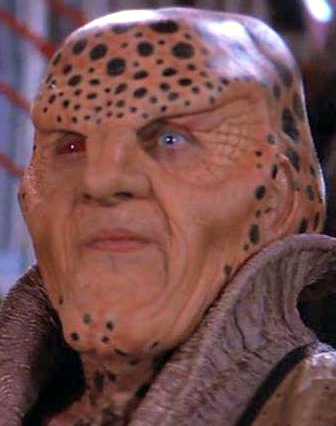
Citizen G'Kar of Babylon 5 may be an exotic-looking alien, but he's also a deeply complex, and surprisingly human, character.

Citizen G’Kar of Babylon 5 may be an exotic-looking alien, but he’s also a deeply complex, and surprisingly human, character.

Of course people watch sci-fi for all the special effects, the exotic aliens, and the epic space battles. And in books – sci-fi and otherwise – the adventures, snappy action, and rich settings are important. But without fully-developed characters, all you really have is a cool travel brochure of the world you’ve created. For a story, you need plot and characters. Readers and viewers need people they can connect with.

The three sci-fi shows I mentioned – Star Trek, Babylon 5, and Stargate – have no shortage of characters. What makes an engaging story is the relationships between the characters – their friendships, the different ways they handle challenges, their enemies, their likes and dislikes. In Babylon 5, the overarching plot is war encroaching on peace. But what makes the audience keep coming back for the next episode is not just the dramatic space battles and the epic story of the Army of Light versus the Shadows. It’s the characters who make up that Army of Light, the characters who have hopes and dreams and a reason to keep fighting. If the audience didn’t care about the characters, they wouldn’t care who won the war. Continue reading

5 Things Star Trek has Taught Me about Writing

While I could write about this subject at most any time, I thought it would be appropriate now, while we’re still celebrating the 50 year anniversary of Star Trek. I’ve posted many times about the writing tips and techniques that I’ve learned from the sci-fi show Babylon 5, but since Star Trek was my first science fiction love, I thought it was high time I give it its due.

So here are five things, in no particular order, that Star Trek (mostly TNG, but really, all the series) has taught me about writing and storytelling:

The importance of supporting characters

Everybody loves the heroes of the story, but supporting and minor characters help round out the world. Whether your story has an ensemble main cast (like Star Trek) or just one main protagonist, you need other characters to serve specific roles and to provide more opportunities for interaction and character growth for your main characters. With a longer work (like a novel, a series of novels, or a TV show), you have the opportunity to expand on the minor characters that come and go, and turn some of them into recurring characters. Continue reading