Writing Out of Sequence: 3 Benefits to Writing Out of Order

Have you ever written a story out of order? There’s actually no rule that says you have to write in chronological order, or write scenes in the order that they’ll be read. Many writers – both plotters and pantsers – write a story in the order that it happens, either because they’re following their outline, or because they’re discovering how the story goes as they’re writing. 

I’m a plotter – I always have at least a rough outline before I start, and I have at least a vague idea of how I want the story to end. But that’s still a lot of “muddle in the middle” that has to get written, and I’ve found that writing scenes out of order can help keep me moving on a project, even if I’m feeling stuck. 

Here are three benefits I’ve found to writing out of sequence: 

Continue reading
Research Tips for Your Story Writing

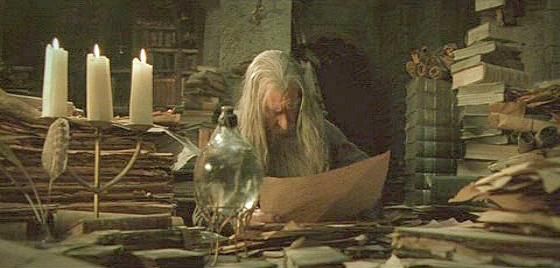
So we all know about doing research for a non-fiction book, or for any sort of accurate historical fiction tale, right? But what about other types of storytelling? Basically, anything besides memoir/autobiography or fiction-loosely-based-on-your-personal-experiences requires research. Yes, even the highly fictional genres like science fiction and fantasy. 

How writers often feel doing research

Why Research? 

Details matter when it comes to worldbuilding for a story. The more little details that are woven throughout a tale (spread throughout the story, not info-dumped all at once), the more real the world of the story will feel to your readers. 

Details like food, clothing, buildings, climate, entertainment—all of these things exist in our lives and we use and are affected by them everyday. In a believable story (yes, even sci-fi/fantasy), the same should be true of your characters. 

Continue reading

What is Creative Writing?

What is creative writing? Writing creatively, you might say. Or, creative writing is the opposite of writing factual stuff, like an instruction manual or a textbook. Well, yes, but what does this mean? 

I’m teaching a creative writing class this semester at my local homeschooling co-op. For fifty minutes once a week, I’m teaching 11-15 year-olds the basics of storytelling. I started off the class with my own interpretation of what “creativity” and “creative writing” mean. Below is a version of what I gave to them as handouts at the beginning of class. Hopefully it will get them thinking about what it means to be creative and to tell stories. 

What is Creativity? 

Creativity is a way of thinking about or reacting to a situation or a concept that is new or different from what’s been done before. Creativity is “thinking outside the box.” 

Creativity involves using our imagination. With imagination and creativity, we can make our thoughts become real, we can turn one thing into something completely different, we can make something from nothing. Every human achievement throughout history (from the controlling of fire and the invention of the wheel, all the way to inventing smart phones and the International Space Station) is because of human creativity. 

Continue reading

When Your Writing Goes Against Your Personal Beliefs

As a fiction writer, my main job is to make up stuff and write about things that I’ve never experienced (and probably never will, since I write fantasy and sci-fi). And sometimes, in the course of writing about people, places, and events that I’ve never seen or experienced, something comes along that directly violates my personal principles and beliefs. 

So what do you do, as a writer, if, for the sake of the story, you need to write about something that is the very antithesis of who you are as a person? I’m sure plenty of mystery and thriller writers have asked themselves this question. After all, the vast majority of people who write murder mysteries are not, in fact, murderers. 

Continue reading

Write What You Don’t Know

The old adage goes “write what you know.” Actually, I hear very few people in the writing industry actually promoting that idea anymore – probably because it’s a terrible idea. Well, not terrible, really – just an inaccurate and incomplete idea. 

If you’re writing a memoir or anything autobiographical, then obviously you’re writing what you know, and only what you know. That’s the point of that genre. Anything in the non-fiction realm, actually, should be what you know. Whether you’re writing a book about gardening tips or the history of shoemakers in 19th century London, then hopefully you’re writing from your own knowledge, experience, or research.

Continue reading